How to Treat and Prevent Black Mould Before Selling Your Home
When preparing your property for sale, few things will deter buyers faster than the presence of black mould. It not only looks unsightly—especially in photographs—but also raises concerns about health risks and structural issues. If you’re thinking about selling your home in Newark or Southwell, this is one issue that needs addressing before your home goes to market.
Why Black Mould Matters
Black mould is more than just a cosmetic problem. It can have serious health implications, particularly for people with asthma, allergies, or weakened immune systems. The spores released can irritate airways and, in extreme cases, cause respiratory illness.
For prospective buyers, visible mould is an immediate red flag. It can signal underlying damp issues, poor maintenance, or even structural problems. In short, if your property shows signs of black mould, it may struggle to sell—or attract low offers.
Common Causes of Black Mould
Black mould forms where moisture and poor ventilation combine. The average UK household generates over 15 litres of moisture per day from showers, cooking, and even breathing. When that moisture cools, it condenses on walls and surfaces—especially in colder corners behind furniture or near windows—and becomes a breeding ground for mould.
Key causes include:
-
Inadequate ventilation
-
Insufficient heating
-
Leaks (e.g., from roofs or plumbing)
-
Cold spots due to poor insulation
-
Rising damp from failed damp proofing
Quick Solutions: What You Can Do Right Now
Before your property hits the market, take these steps:
✅ Clean visible mould
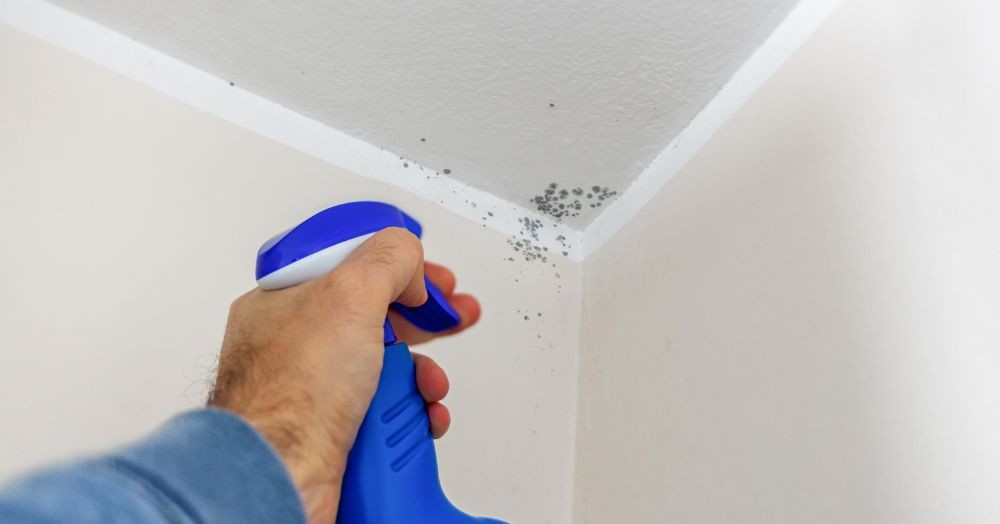
Use a mould and mildew cleaner, usually bleach-based, to clean affected areas. Always wear gloves and keep the area well-ventilated during treatment.
✅ Improve ventilation
Ensure you:
-
Open windows regularly, especially after showers or cooking
-
Use extractor fans in bathrooms and kitchens
-
Avoid drying clothes on radiators in enclosed spaces
✅ Keep the property warm
Maintaining a consistent temperature will reduce condensation. Consider a programmable thermostat to improve heating efficiency.
✅ Use lids when cooking
Prevent steam build-up by covering pans and using cooker hoods.
✅ Dry washing in ventilated areas
Try to dry laundry outdoors, or in rooms with adequate airflow and warmth.
Dealing with Persistent or Structural Damp
If mould returns despite best efforts, it could indicate a deeper issue. Here’s what to investigate:
🏚 Poor insulation
Even a small cold spot in a wall can become a mould magnet. Improving insulation may resolve the issue and increase your home’s energy efficiency rating—another bonus for potential buyers.
💧 Roof and gutter leaks
Overflowing or blocked gutters are a common source of leaks. Water can seep into your property, especially near eaves. Regular gutter cleaning and checking for slipped or cracked tiles can prevent problems before they escalate.
🧱 Rising damp
This occurs when moisture rises through brickwork due to a failed or bridged damp proof course. If you notice mould above skirting boards or musty smells, consult a damp specialist.
Before You Sell
Buyers will notice damp patches or staining during viewings—or worse, during a survey. These can significantly impact your sale price, or even lead to sales falling through. Addressing the root causes not only protects your health and home, but also ensures your property achieves its full value.
Need Expert Advice?
At Alasdair Morrison & Mundys, we understand what buyers in Newark and Southwell are looking for. If you’re preparing to sell, our team can offer tailored guidance on how to present your property in its best light—including help identifying any issues that may need resolving before marketing begins.
📞 Contact our property experts today to arrange your free property valuation or for honest advice on preparing your home for a successful sale.